

In this Rome Travel Guide, Rome, where roads lead to the Eternal City, twelve years ago a story felt a strong pull. A study abroad location was selected, blending history, major studying, the empire on home turf. Overseas time ignited passion for travel, wanted to see, remember, everything. It started with tinkering, a first camera, set to explore every inch of the city. This Rome Travel Guide reflects personal identity, a return trip, a boyfriend surprised, walked streets, felt full, Jillian, smart guy, later married. In this Rome Travel Guide, a solo one-week Italy began in a country busy capital, a European city traveled alone. Careful research learned lessons, built knowledge to prepare and share a clear destination. Deep culture, rich photography, and a lasting journey shaped the experience. Continuous learning and thoughtful planning support relationship, adventure, and memory, making this guide useful. Also read Northern Italy itinerary-7 Days
13 Unforgettable Places to Visit in Rome – Rome Travel Guide
This Rome Travel Guide explains why Rome deserves a place on every travel bucket list. Choose the city to feel like traveling back in time, where old cobblestone roads whisper stories of the past. Buildings from antiquity proudly stand against the city skyline, creating a true history lover paradise. Even a casual buff imagines scenes from Gladiator while envisioning the past. This Rome Travel Guide highlights warm people, friendly faces, delicious food, and the joy of la dolce vita. This Rome Travel Guide supports planning a romantic getaway to the Eternal City with luxury hotels, favorite restaurants, and memorable experiences. While exploring the city, top things do, places ate, and public transportation details matter. This blog post includes affiliate links to book activities, earning a small commission at no extra cost, while supporting helpful travel content. You can also visit Complete Guide to 7 days Spain itinerary:
Why Visit Rome?
This Rome Travel Guide highlights Rome for its unparalleled history and global appeal. Ranked 3rd most visited city in Europe and 14th worldwide, it attracts visitors from the world. Travelers discover impressive monuments and archaeological sites, alongside renowned cuisine and a lively atmosphere. Walking feels like touring an ancient city full of remains. It reminds of gladiators fighting for life and death in the Colosseum. Chariots racing in Circus Maximus, Roman sages strolling the forum, discussing democracy. With more than 16 million yearly visitors, tourism feels unstoppable. Behind London and Paris, Rome remains a high contender for the most romantic city in Europe.
Getting There with the Rome Travel Guide:
- Arrive at Rome Termini station from European cities by train (walking distance to hotels).
- Fiumicino International Airport is 40-50 minutes outside the city center.
- Transportation options from the airport:
- Taxi or Uber.
- High-speed train departing every 30 minutes from downtown (reliable, easy to use, ideal for light travelers without kids or heavy luggage).
- Transportation services covered include:
- Leonardo Express.
- Terravision bus.
- Ticket prices: €14 (train), €7 (bus).
Getting Around Rome Using the Rome Travel Guide:
- Metro access is available for public transport (RomaPass covers 72 hours of non-stop transportation for €38).
- Walking is encouraged, as it’s the easiest way to explore the city.
- Renting a car is discouraged due to aggressive driving and limited parking.
- Taxis are widely available (flag or via apps like ItTaxi and FreeNow), though they may be pricey in tourist areas.
- The metro is the most popular option for first-time tourists (no MetroCard required).
Top 13 Places to visit in Rome:
1. The Colosseum: A Living World Wonder
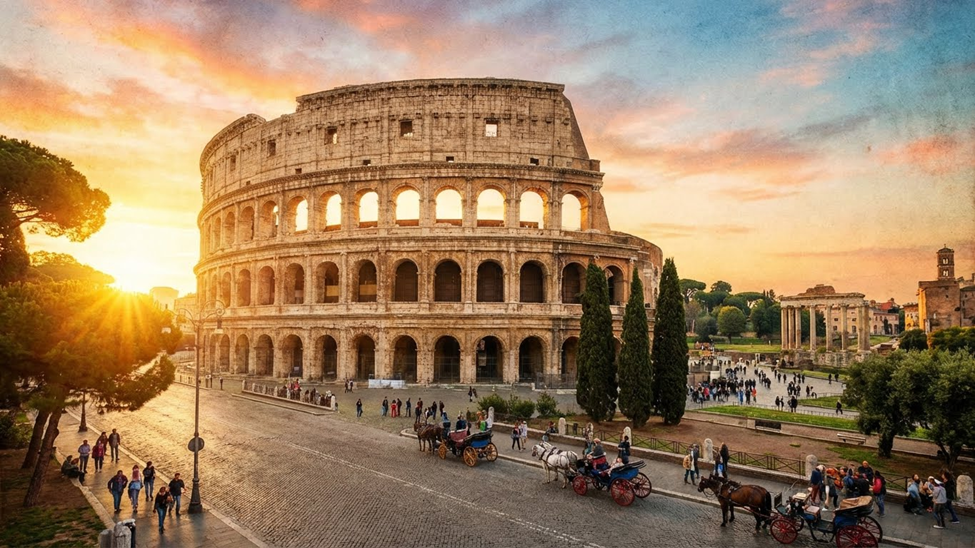
This rome travel guide highlights Rome, where the Colosseum stands as a World Wonder, built nearly 2,000 years ago. The massive amphitheater reflects ancient architecture, a historical landmark, iconic monument, and deep cultural heritage. It hosted gladiator battles, wild animal hunts, and grand public spectacles in front of large crowds. As a tourism attraction for sightseeing, this rome travel guide supports meaningful travel exploration. A rome travel guide would recommend highly booking a guided tour for an educational experience. This helps visitors skip a very long line, avoid the queue, and gain easier access. Experts explain the layered history of the place, helping understand details otherwise likely limited in understanding. Each visit beyond one’s own view enhances learning and discovery through structured guidance.
2. Sistine Chapel Experience
This rome travel guide encourages a Visit to the Sistine Chapel in Vatican City. The chapel is the Pope official residence, located within the Vatican Museums. Many people admire the famous ceiling painted by Michelangelo and stunning artwork. Baptisms and official ceremonies are held inside this sacred space.
This rome travel guide notes Cost, Entry Fee, and Tours options. This rome travel guide explores Luxury Accommodations in Rome near the Vatican. An old apartment complex and beautiful hotels sit near historic city walls. Many properties feel romantic, perfect for a Roman getaway in the Eternal City. These Accommodations suit a couples trip, featuring favorites and future visit wish list stays.
3. Orvieto Day Trip
This rome travel guide highlights Orvieto, just ninety minutes north of Rome. The stunning Etruscan hilltop town is worth the train ride. It fits well with an extra day built into any itinerary, as noted in this rome travel guide. The town has stood for centuries on top of a hill. A high outcrop offered protection from attacks in earlier times. Today, travelers tour the cathedral and explore many shops and boutiques.
These places line narrow alleys, creating a memorable walking experience.

4. Ostia Antica and Ancient Rome
This rome travel guide features Ostia Antica, just one hour outside Rome. The ancient port served as a naval base of the Roman Empire. It is still possible to view impressive ruins across the site. Highlights include baths, theater, temples, houses, and government buildings. Ostia Antica ranks among the largest excavated sites in Italy. This rome travel guide values the area for its scale and preserved history.
5. Tivoli and Imperial Retreats
This rome travel guide presents Tivoli as a popular vacation choice for emperors of the Roman Empire.
Emperor Augustus owned a summer villa, and it is still possible to view Hadrian’s Palace.
Travelers can tour the UNESCO World Heritage site, Villa d’Este, within the town.
These sites are approx 40 minutes outside the city, as noted in this rome travel guide.
6. Roman Forum and Palatine Hill Views
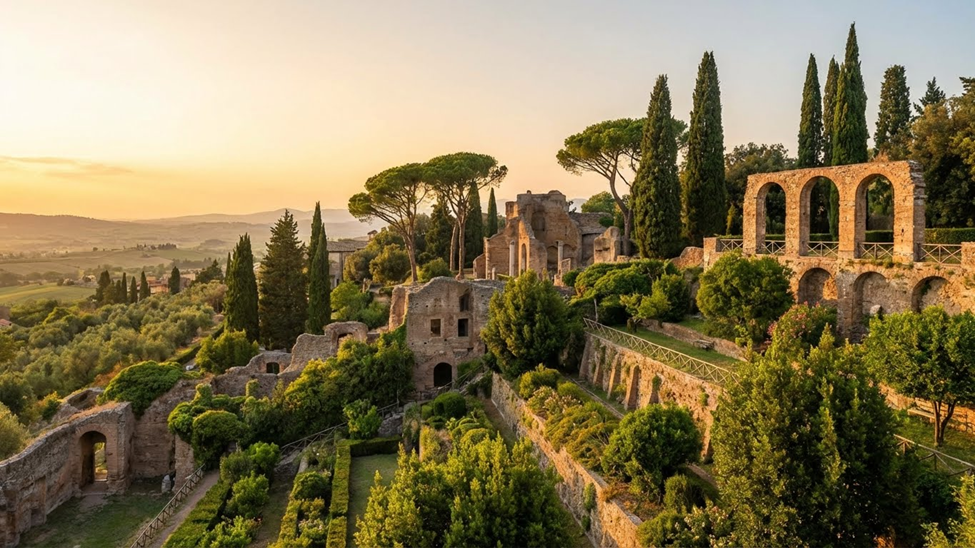
This guide explores the Roman Forum and Palatine Hill located near the Colosseum. The Forum was the heart of ancient Rome’s political and social life. Palatine Hill offers panoramic views of the city. Major highlights include ancient temples, ruins, and imperial palaces. It is considered one of the best viewpoints in Rome.
7. Vatican City Essentials
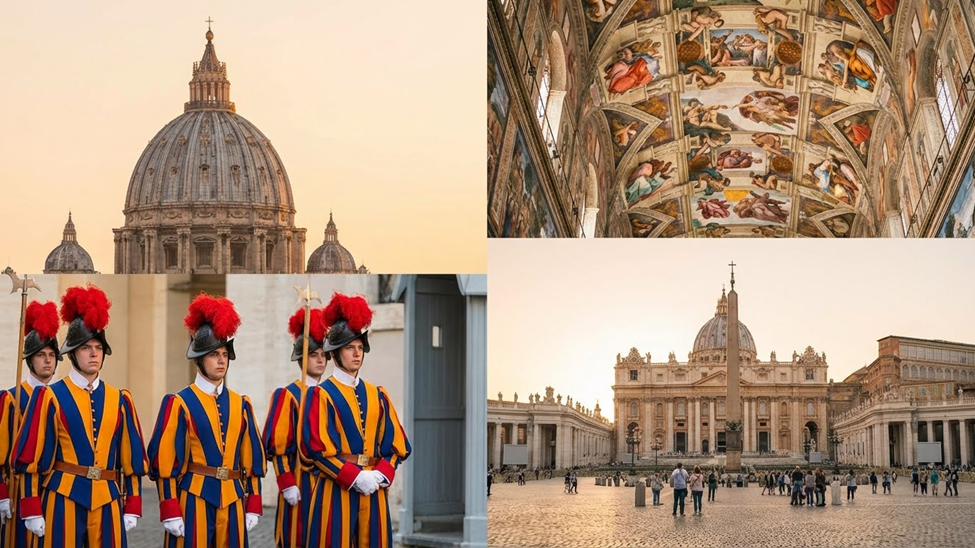
Vatican City, the world’s smallest country. It is a must-visit destination for art, history, and architecture lovers. It features the Vatican Museums, home to priceless masterpieces. The Sistine Chapel ceiling was painted by Michelangelo, a core highlight in this rome travel guide. It showcases St. Peter’s Basilica, among the largest churches in the world. It is known for a magnificent dome and rich artistic treasures. Thi rome travel guide suggests climbing the dome for breathtaking views. Choose early morning visits for fewer crowds with this rguide.
8. Pantheon Highlights
This rome travel guide features the Pantheon, one of the best-preserved ancient buildings in the world.
It is famous for its massive concrete dome and central oculus, a true highlight in this rome travel guide.
The Pantheon is over 2,000 years old and offers free entry to visitors.
It is considered a marvel of ancient engineering, showcasing Rome’s historical architectural genius
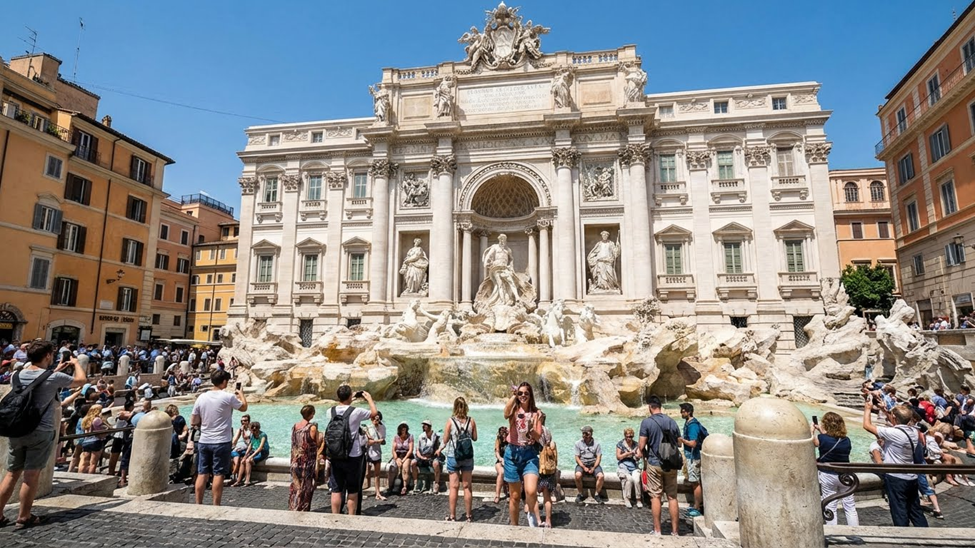
9. Trevi Fountain Experience
This guide highlights the Trevi Fountain, where every visit to Rome feels complete.
Tossing a coin into the fountain is a tradition, as legend says.
One coin ensures your return to Rome, while two coins bring romance.
The best time to visit is early morning or late night to avoid crowds, notes this travel guide.
10. Piazza Navona Highlights
This rome travel guide showcases Piazza Navona, a lively square known for Baroque architecture.
The beautiful fountains, especially Fontana dei Quattro Fiumi, draw visitors in this rome travel guide.
Travelers can enjoy street performers and dine at outdoor cafés. It is also a place to admire historic palaces, making it a must-see in any rome travel guide.
11. Spanish Steps Experience
This rome travel guide features the Spanish Steps, which connect Piazza di Spagna with Trinità dei Monti church. It is a popular meeting point for tourists highlighted in this rome travel guide. The best experience includes enjoying sunset views. Visitors can also go shopping nearby on Via Condotti, making it a must-see in this rome travel guide.
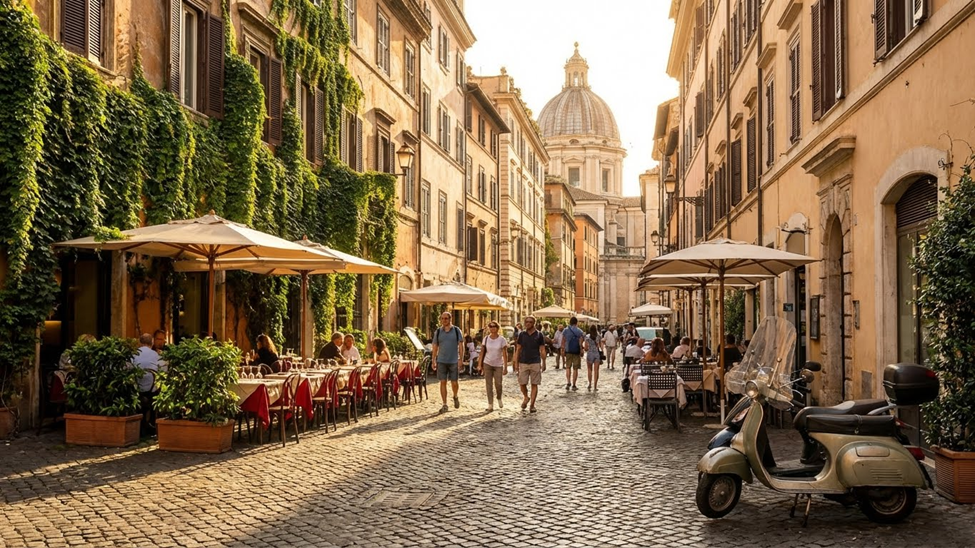
12. Trastevere Neighborhood
This rome travel guide recommends Trastevere for an authentic Roman experience.
Visitors can explore this charming neighborhood with narrow streets and colorful buildings.
The area features traditional restaurants and a vibrant nightlife.
It also offers a glimpse into local culture and hidden churches, making it a unique stop in this rome travel guide.
13. Castel Sant’Angelo Highlights
Castel Sant’Angelo, originally built as a mausoleum for Emperor Hadrian. It later became a fortress and papal residence, making it historically significant in this rome travel guide. Key highlights include museum exhibits and a rooftop terrace views of the Tiber River. The castle offers a connection to the Vatican via a secret passage, enhancing its allure for visitors.
Must visit restaurants in Rome:
Pancia Felice Pizza Experience
This rome travel guide recommends Pancia Felice for the first official pizza in Rome. The eatery is in the heart of Rome, making it easy to find on a quick Google search. The name translates to “Happy Belly,” capturing the joyful experience of a slice. Visitors try this spot to enjoy authentic Roman pizza, a must in any rome travel guide.
Rosamunda’s Pizza and Pasta
This rome travel guide highlights Rosamunda’s, a cozy, quaint pizza restaurant in Rome. It was found during city walks and caught attention with a display of various pizzas. The portion was larger than expected, tasted fresh, and offered a quick bite. While not the best pizza in Rome, it was still great.
The restaurant also serves various pasta dishes, and visitors may try one for a complete experience in this rome travel guide.
Cambio Trastevere Breakfast
This rome travel guide features Cambio Trastevere, a restaurant in the Trastevere neighborhood of Rome.
Visitors may visit for a breakfast menu, a common Italy tradition of usually light meals with sweet pastry and coffee. This typical go-to breakfast is perfect for a casual morning in Rome, according to this rome travel guide. Guests ordered a pancake meal with eggs and maple syrup, offering options for those wanting a bit more than light fare. The restaurant provides a cozy place for serving breakfast like traditional Italian mornings.
AcquaRoof Terrazza Molinari
This rome travel guide highlights AcquaRoof Terrazza Molinari, ideal for a first aperitivo in Rome.
The beautiful rooftop bar set the vibe for visitors looking to enjoy a relaxed evening, notes this rome travel guide. AcquaRoof provided an elevated experience as part of the First Arte Hotel. It is known for fish-based Italian cuisine and offers stunning views of Rome from above, a must-see in any rome travel guide.
Tips before traveling:
Staying Safe from Pickpocketing
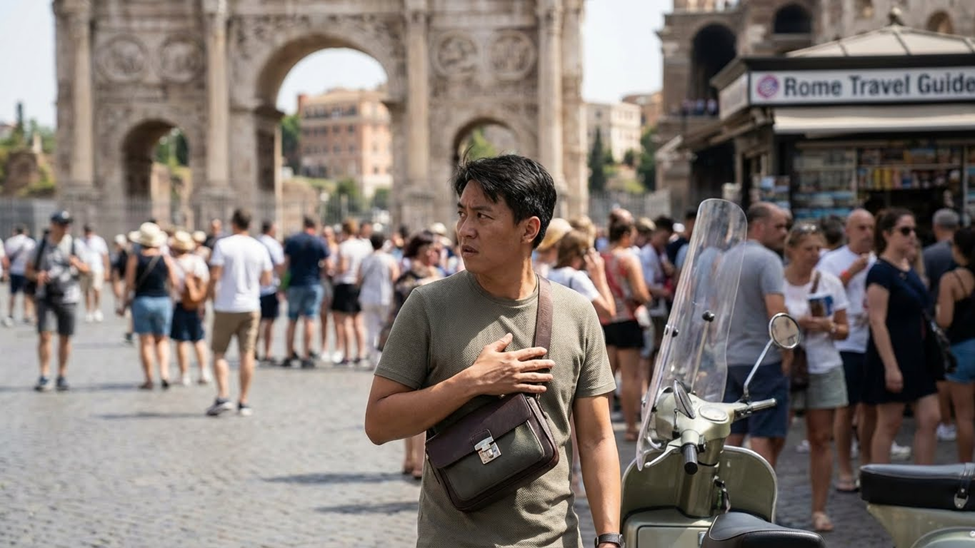
This Rome Travel Guide addresses Pickpocketing as the number one issue to face or be aware of in Rome. When researching safety, it appears common to be pickpocketed, especially in crowded areas like Metro stations and tourist sites. Being distracted increases risk, so signs, warnings, and advice online encourage staying careful. This Rome Travel Guide notes feeling nervous about the possibility of becoming a victim, yet many successfully completed a trip without incidents, keeping belongings intact. This Rome Travel Guide recommends keep a hand over a bag, hold it in front, ensure it stays zipped and closed, and constantly check belongings. Good practice avoids carry all payment cards and cash at once, just in case anything does happen.
Safety in Rome
This Rome Travel Guide explains Safety in Rome as reasonably safe for a tourist, since violent crimes rarely occur. Many police and security personnel appear on streets across neighborhoods frequently visited and passed through in this touristy city. In early June, the sun went down around 8 pm to 8:30 pm daily, leaving sunlight even when late. This allows comfortable walking alone without issues. People stay outside in crowds, feeling never truly alone, which feels comforting.
Weather in Rome
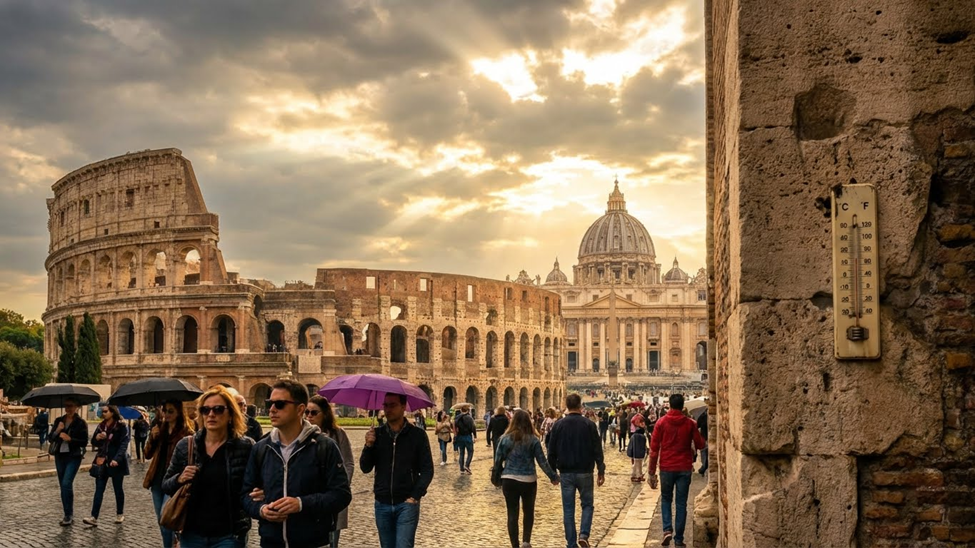
This Rome Travel Guide explains the Weather in Rome, especially when visited in early June, when it feels pretty hot. Temperatures stay between 85 and 93°F, making Rome a walkable city, yet it is important to remember the heat lasts a considerable amount of time while touring. This Rome Travel Guide suggests bringing a portable fan, small umbrella, hat, and sunglasses for maximum sun protection. Overall, Rome has mild winters and warm summers. In winter, temperatures can reach as low as 46°F.
Avoid Getting Fined in the Rome Travel Guide
This Rome Travel Guide explains how to Avoid Getting Fined for Riding Without Paying. An important thing to read and remember is to always pay attention. Fines for public transportation fares start at €100 ($114.75). Inspectors may randomly board buses, Metro, trams, and ensure people check in. It is not worth riding on extremely packed transport without paying, risking a hefty fine.
Don’t Rush Your Visit
This Rome Travel Guide advises Don’t rush Rome because it wasn’t built in a day. It is suggested not trying to see all in 1, 2, or 3 days since Rome is a rather large city. You may end up sacrificing quality for quantity by cramming your itinerary. At the least, spend 4-5 days to take it all in. Unsure how to lay it out? You can access the exclusive Compass Roam downloadable Rome itinerary via the link.
Summer Museum Hours
This Rome Travel Guide recommends Take advantage of summer hours at museums. Many stay open later in the months. If you go later in the day, it is another good tip for avoiding longer lines.
Expecta’-a-Siesta in the Rome Travel Guide
This Rome Travel Guide advises Expecta’-a-siesta as Italian shops often close from 1-3pm everyday. Store owners head home to enjoy lunch, family, and a short nap. Know this ahead of time to avoid being disappointed while shopping.
Dinner Etiquette
This Rome Travel Guide explains Dinner at 8pm and that it is not rushed. Italians generally eat later than lunch, while Americans may be used to earlier times. Some restaurants open early at 7:30pm for tourists, but locals usually arrive around 8-9pm. Dinners often run 2-3 hours, and waiters never bring the check automatically. If you need the bill, you must ask for il conto on your own.
Tipping in the Rome
This Rome Travel Guide notes you don’t need to tip waiters, which feels a bit weird, but is true. Italian waiters are paid a competitive wage and don’t expect tips. If you received excellent service, you could leave 1 euro per person, but it is not expected.
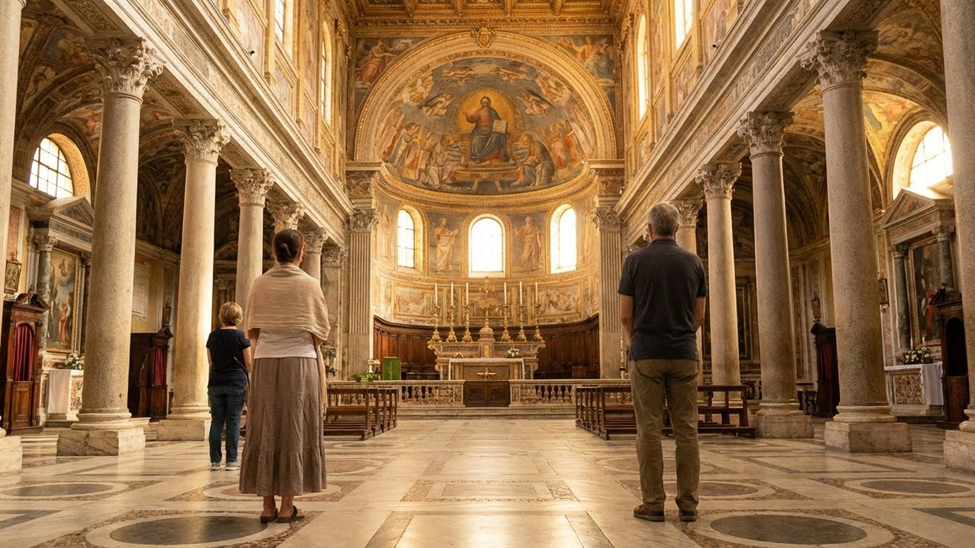
Church Dress Code
This Rome Travel Guide advises Ladies to bring a scarf for churches. It is required to keep shoulders covered. It’s a good idea to have a scarf just in case you need to throw it on.
Languages Spoken
This guide covers Language Spoken in Rome, Italy. Italian is the official language, with regional dialects present depending on the region. Many Italians met speak 3-4 languages, including Spanish and French, which is impressive. In this touristy city, most people you encounter speak English, and tours are offered in multiple languages like Russian and Japanese if needed. Italian can feel fun and romantic, and learning greeting phrases like Ciao, Come sta, Buongiorno, Grazie, and Prego is helpful to hear often.
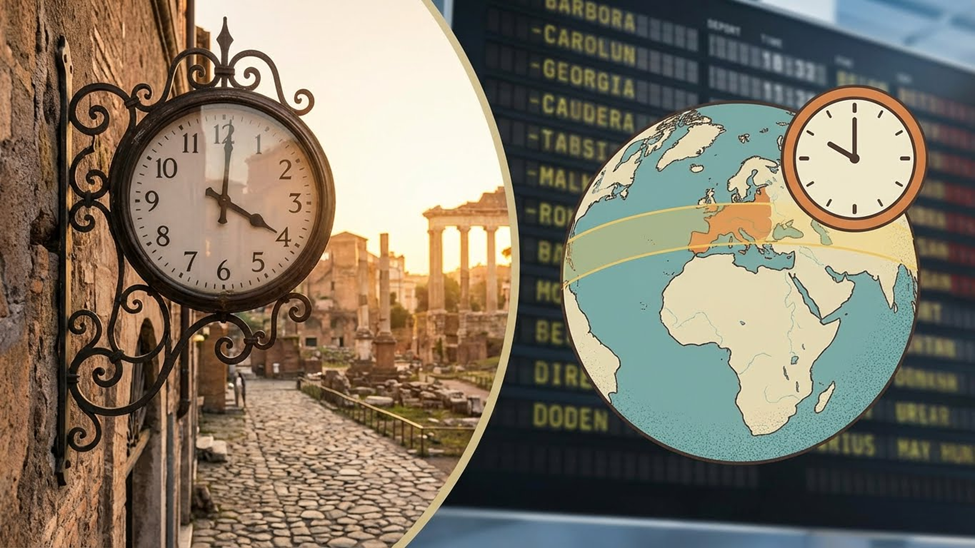
Time Zone
This Rome Travel Guide explains the Time Zone in Italy, which follows Central European Time. The country observes daylight savings, so clocks change during the year. Depending on the time, the sun sets later, around 8pm in some seasons, which may feel different if used to your home States while traveling.
Must have items before traveling Rome:
Here are 5 must-have items before traveling to Rome:
Comfortable Walking Shoes
Rome’s cobblestone streets and many historical sites require a lot of walking, so comfortable shoes are essential. Whether you’re exploring ancient ruins, strolling through piazzas, or walking around the Vatican, comfortable shoes will make your experience much more enjoyable.

Power Adapter/Voltage Converter
Italy uses the European-style plugs (Type C, F, and L) with a voltage of 230V. Make sure to bring a power adapter so you can charge your electronics like phones, cameras, and other devices. If your devices are not compatible with European voltage, a voltage converter will be needed.
Water Bottle
Rome’s nasoni (public fountains) provide fresh, free drinking water, and you can refill your bottle throughout the city. Having a reusable water bottle is a great way to stay hydrated while exploring the city and avoid purchasing expensive bottled water.
Sunscreen and Sunglasses
Rome can get quite hot, especially during the summer months, so packing sunscreen and sunglasses is a must to protect yourself from the sun’s harmful rays while walking around the city or visiting outdoor attractions like the Colosseum and Roman Forum.
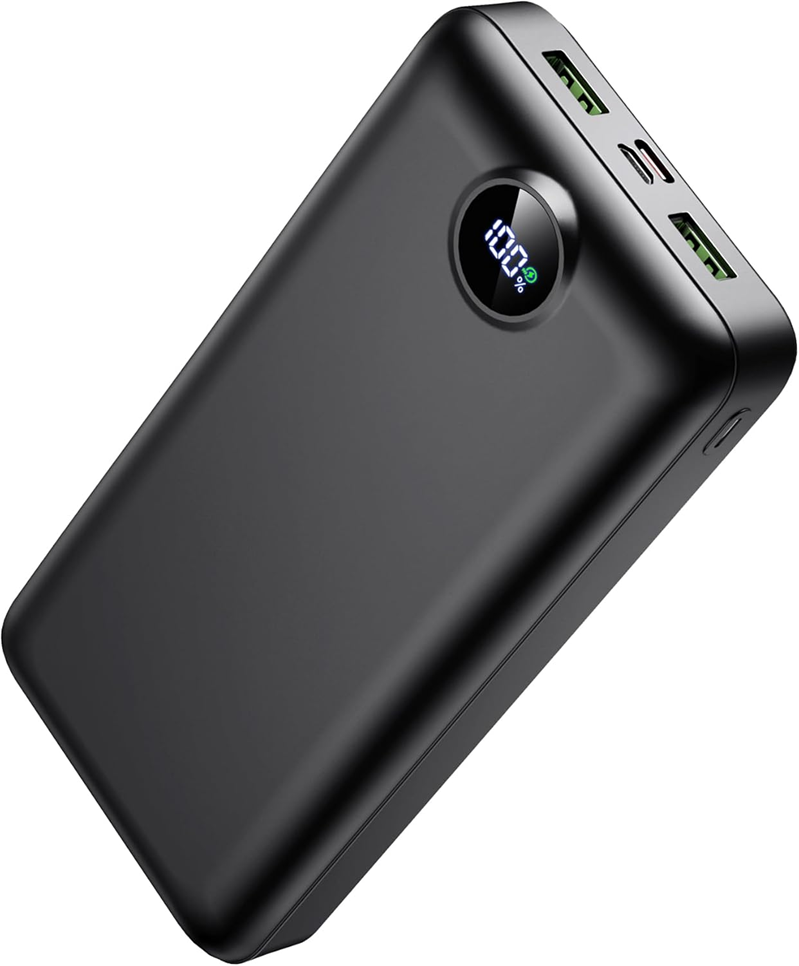
Portable Power Bank
With all the sightseeing you’ll be doing, your phone might run out of battery quickly. A portable power bank is essential for ensuring that your phone stays charged for navigation, photos, and staying connected during your trip.
FAQs:
Are the public fountains in Rome safe to drink from?
Yes, the public fountains in Rome, known as nasoni, provide fresh and safe drinking water. These fountains are fed by natural springs, and the water quality is regularly monitored by city authorities. You’ll find them running continuously, making it easy to refill your water bottle throughout the city.
What is the best time to visit Rome?
The best time to visit Rome is during the spring (April–June) or fall (September–October), when the weather is pleasant, and the city is less crowded. If you prefer to avoid peak tourist crowds and scorching heat, these months offer the ideal experience. July and August are the busiest and hottest months, so it’s advisable to plan your trip outside of this period.
Is Rome a safe destination for tourists?
Rome is generally a safe city for tourists, with police officers regularly patrolling the streets. However, like any major tourist destination, you should remain vigilant of pickpockets, especially in crowded areas. Always secure your belongings and keep an eye on your bags.
Can I use my phone for navigation around Rome?
Yes, using your phone for navigation is convenient in Rome. The city has good mobile coverage, and you can rely on Google Maps or other navigation apps to explore. However, be cautious of excessive data roaming charges if you’re using your phone abroad, and consider purchasing a local SIM card for better rates.
How do I get around Rome efficiently?
Rome has an extensive public transportation system, including buses, trams, and a metro. The metro is fast and easy to use for major tourist sites. Taxis and rideshare services like Uber are also available, but they can be more expensive than public transport. Walking is often the best way to explore the city’s historical center.
What should I wear when visiting Rome?
Comfortable clothing and shoes are recommended for exploring Rome, as many streets and attractions require walking. If you plan to visit religious sites such as the Vatican or churches, it’s important to dress modestly—covering shoulders and knees is a must.
What are some common scams to watch out for in Rome?
Like any major tourist destination, Rome has a few scams targeting visitors. Be cautious of people asking for donations, street performers who may demand money after you’ve taken a photo, and anyone offering “free” bracelets or trinkets. Always be aware of your surroundings and avoid engaging with overly persistent vendors.
Conclusion:
In conclusion, preparing for your trip to Rome requires careful consideration of essential items to ensure a smooth and enjoyable experience. Comfortable walking shoes are vital for exploring the city’s many historical sites and cobblestone streets. A power adapter is necessary for charging your devices, while a reusable water bottle allows you to take advantage of Rome’s public fountains. Sunscreen and sunglasses will protect you from the intense sun, especially during the summer months. Lastly, a portable power bank ensures your phone stays charged throughout the day for navigation and photos. By packing these five must-have items, you’ll be well-equipped to make the most of your time in the Eternal City.